Myofascial Trigger Points (MTrPs),
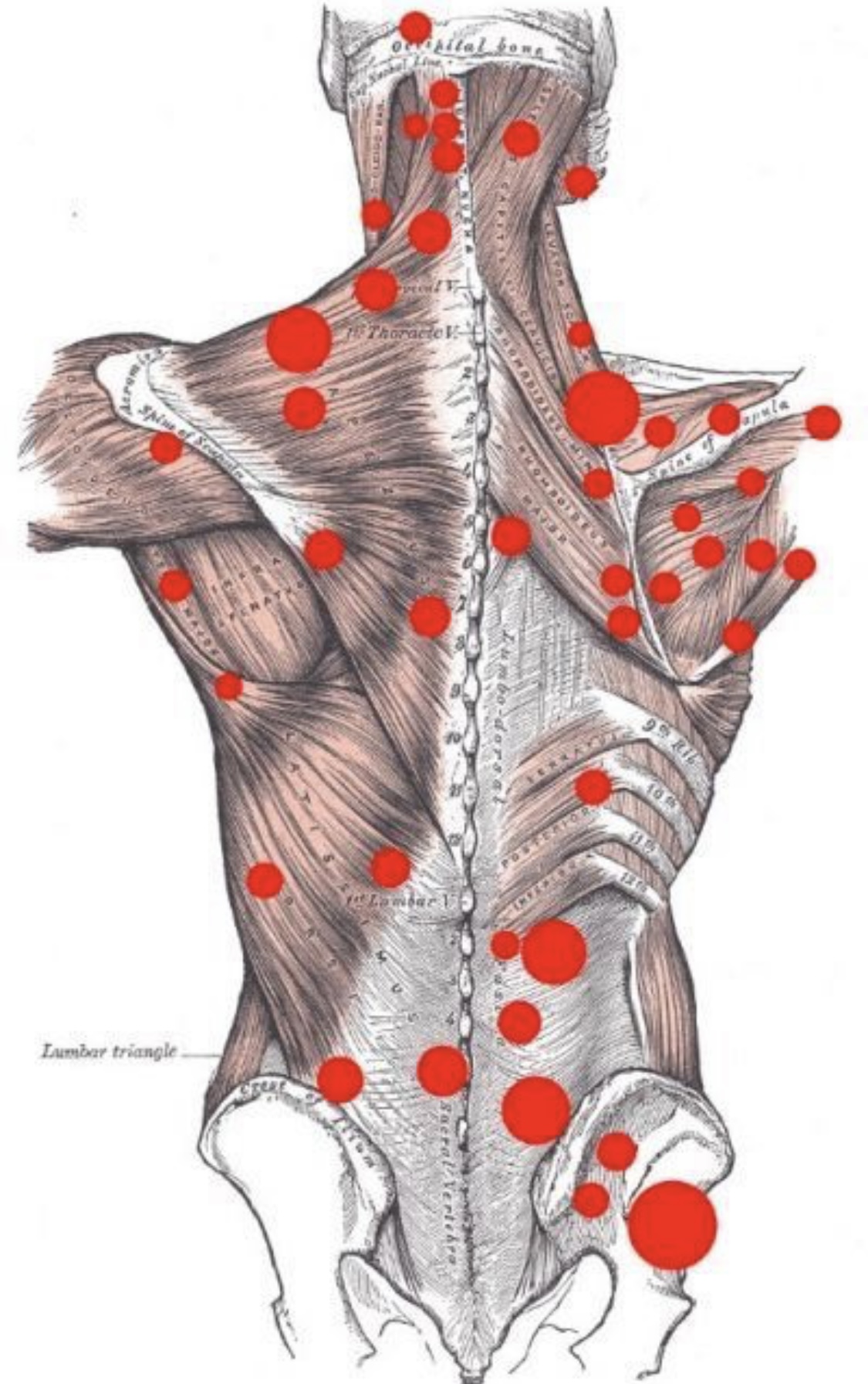
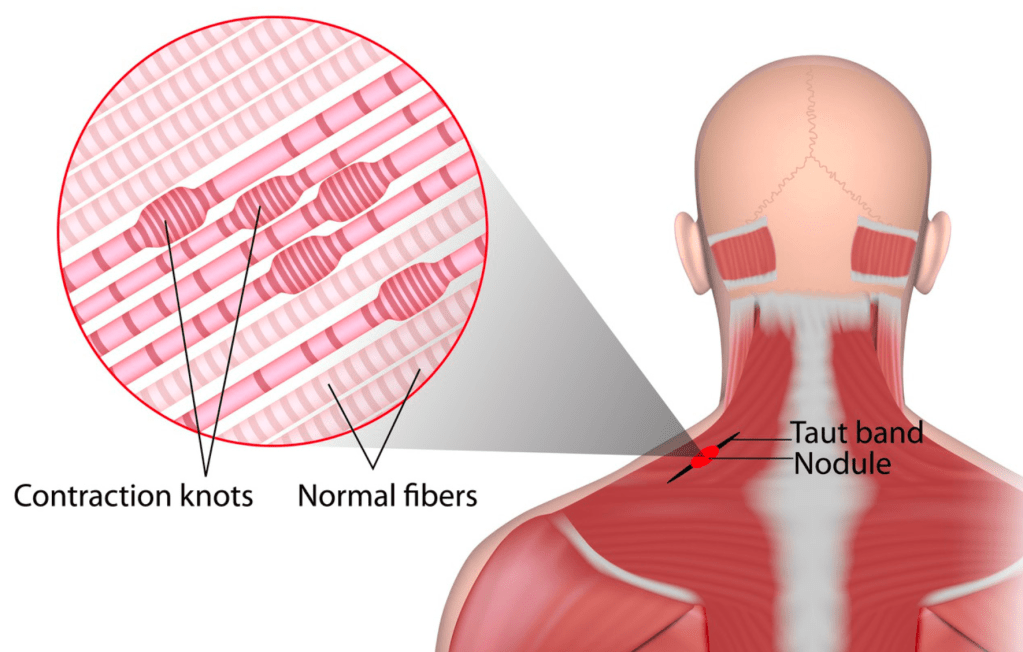
are more commonly described as hyper-irritable spots in the skeletal muscle.
From Historical point of view: Dr Travells & Simons were inspired by Kellgren studies (1938/1939) based on observation of a referred pain arising from muscles.
Their research outcome is that MTrP have a clear & consistent pain pattern AND a pain referral pattern to its given referral zone.
In other words 🙂
The knowledge of MTrP mapping is the key to identifying the muscles to be targeted based on your pain description.
MTrP becomes active in response to acute and chronic overloading or to repetitive overuse of the muscle AND is associated with a perceptible pain even without being stimulated (by movement or palpation).
If the situation is not resolved, MTrP starts to radiate to other muscles creating other disorders at various levels of the myofascial chain, generating secondary trigger points to become active too.
That is what we have Primary and Secondary trigger points.
More specifically, active MTrPs prevent you from moving correctly, forcing you to modify your postures or motor patterns if you want to remain efficient without taking the time to untangle it.
Meaning it will not go away by magic… Treatment becomes crucial.
THE PRIMARY GOAL IS TO IMPROVE THE QUALITY OF MOVEMENT.
However pain will most probably prevent any muscle to be responsive to any rehab/mobility training, meaning that first priorities are :
– stretching the muscle cord
– improving the vascularization within the trigger zone
– relaxing the surrounding fascia
WHAT TREATMENTS ARE POSSIBLE:
Here are a few treatment options used in physical therapy:
Massage, rubbing, friction, acu-pressure
Dry needling
Passive or Active Stretching
The manual trigger point technique is performed by strong manual pressure and can therefore also be painful for the client.
But most of the time, this pain is perceived as good pain: “It feels a lot but feels good.”
Then, in addition, Mobility exercises (including CARS, PAILs&RAILs) must be considered to restore proper mobility pattern and avoid pain to become recurrent.
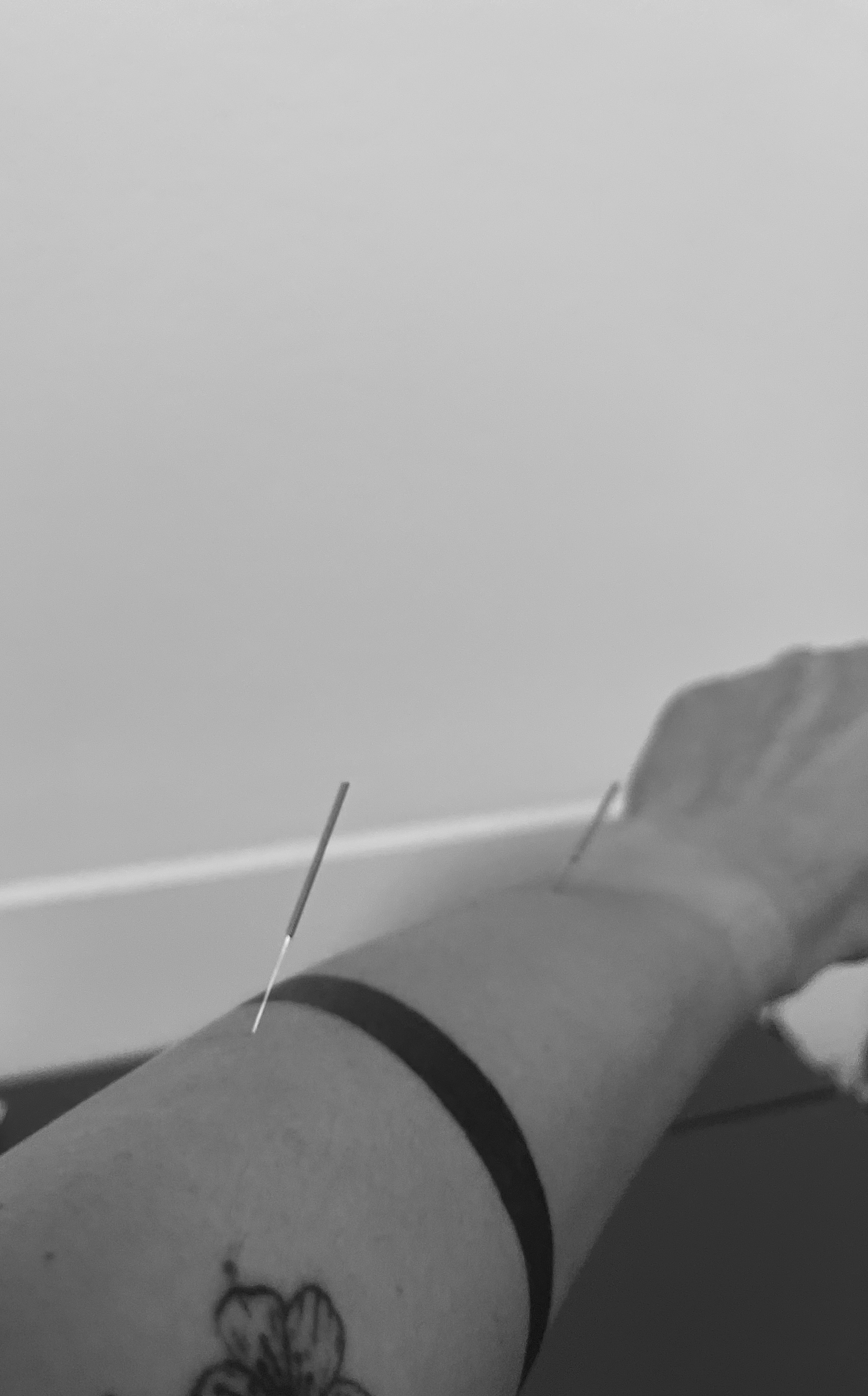
Dry Needling is a powerful option
Traditional Chinese Acupuncture is the oldest form of alternative medicine that involves insertion of fine needles through the skin in a certain point on the body for therapeutic effect.
Western medical acupuncture, most commonly called Dry Needling, does not involve the traditional Chinese medicine concepts (Qi, Yin, Yang meridians) and claims to be part of conventional medicine.
Dry needling is based on current understanding of human anatomy and more particularly on the concept of Myofascial Trigger Points (MTrPs).
Dry needling therapy is primarily meant to alleviate musculoskeletal pain (including myofascial).
Generally, this technique is not considered a type of massage but it is included in any massage which targets a therapeutic effect.
What to expect?
Even if you’re crazy scared of needles doing a blood test, acupuncture works with really fine needles that you will almost not notice when they are inserted into your skin!
I promise that it is a really different sensation, and mostly you will feel the effect after when muscles will take them in.
If you ask me why I use western medical acupuncture, my answer will always be the same :
The first & primary reason why to use Dry Needliing is to improve the quality of movements by:
– reducing local and reffered pain (acute or chronic pain)
– releasing muscle pressure
– having a clear action on Active Myofascia trigger points (release of taught band)
– restoring blood circulation on muscle fiber and myofascia chain action
Dry needling also allows to better target deep muscle comparing to traditional massage techniques.